A road-trip budget should include the route itself, not only the meal and entrance tickets. Tolls and fuel can make two otherwise similar day trips cost quite different amounts.
Begin with the route you expect to drive and the vehicle you will use. A toll estimate may depend on vehicle classification, while fuel spending depends on several factors beyond distance. Use an estimate to plan, then check the current information relevant to the actual journey.
Use one route for every part of the estimate
It is easy to combine the distance from one route with the tolls from another. Keep the chosen route visible when calculating both fuel and charges, and note any planned deviation. A stop outside the main corridor can add distance even when the destination remains the same.
If comparing two routes, estimate each independently. Include the return you actually expect to use rather than automatically doubling the outward figure when the itinerary is a loop. This makes the result easier to explain to companions sharing costs.
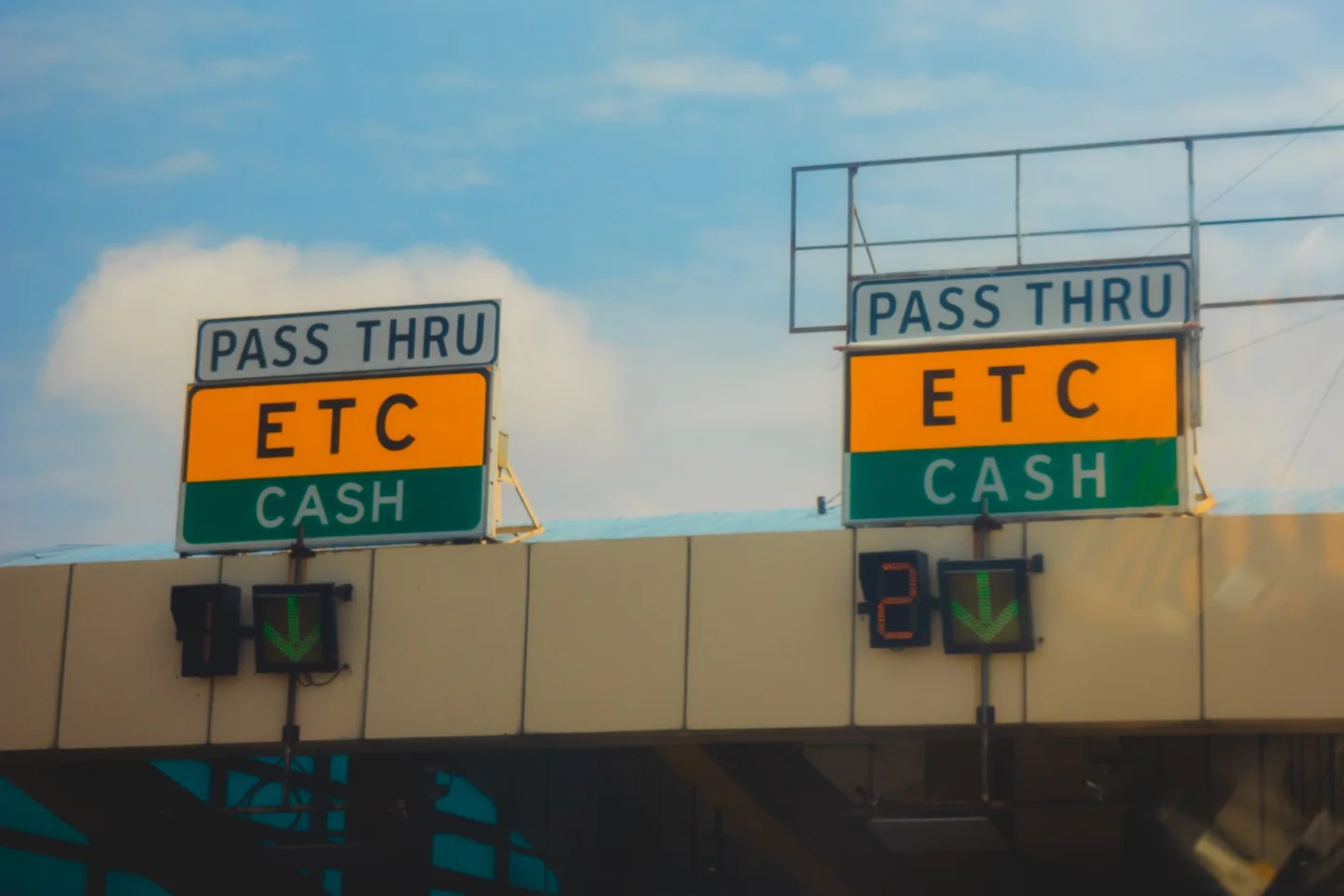
Treat an electronic payment device as part of the preparation when you plan to use one. Check compatibility and the provider's current requirements before the journey. Carry an appropriate alternative when necessary, based on the route's accepted methods. Payment preparation should support an already suitable route, not be the sole reason for choosing it.
Separate the costs
Write down outward tolls, return tolls and estimated fuel rather than combining them into one unexplained number. Add parking separately. This makes it easier to understand why an alternative route is cheaper or more expensive.
The SICT point-to-point route service can help frame a road journey, but its figures are informational estimates. Travel times do not include every stop, and the amount ultimately spent can differ. Check current toll and payment information through the relevant operator when that detail matters to the plan.
Compare a toll-free alternative using time and route suitability as well as money. A lower toll bill does not automatically mean a better day if the journey becomes substantially longer or requires a route unsuitable for the vehicle or travellers. Do not choose roads solely to make a spreadsheet total smaller.
Agree how shared costs work
If friends or relatives share the vehicle, decide which expenses will be shared before leaving. Fuel, tolls and parking are easy to recognise as trip costs; other arrangements should be discussed rather than assumed. A simple note of actual payments is usually enough for a small group.
Keep suitable payment available for the route and confirm accepted methods where necessary. Do not assume every facility accepts the same card or electronic system. The driver should not be searching through bags while approaching a payment point.
After returning, compare the estimate with the actual costs. Save the difference as planning information rather than treating it as a budgeting failure. Over a few trips, a realistic record of your own vehicle and travel habits becomes more useful than a generic figure copied from someone else’s itinerary.