The return bus can determine whether a day trip works at all. Looking at it before the outward service prevents an attractive morning departure from committing you to an awkward evening.
Search the exact route and date with the operator. Confirm the departure and arrival terminals, not just the city names. Check whether the service you are considering is direct or involves a connection, and whether the ticket covers every part of that journey.
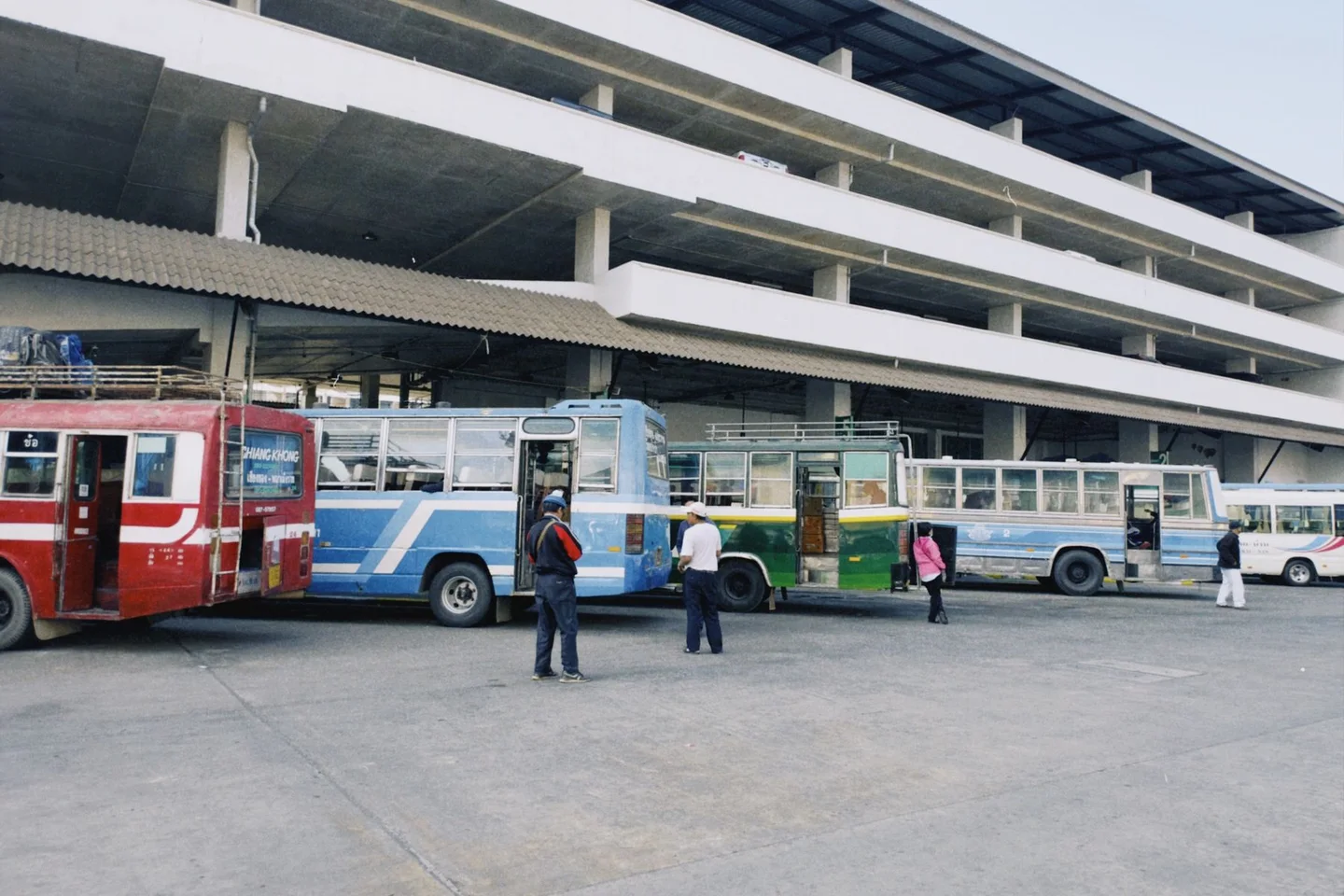
Read the final hour backwards
Imagine leaving the last attraction, walking to local transport, reaching the terminal and finding the departure area. Assign realistic time to each step. If the sequence depends on a connection that runs infrequently, check its timetable separately rather than hiding it inside a general travel estimate.
Choose a latest time to leave the attraction that protects this sequence. Share it with anyone travelling with you, especially if people browse separately. The reminder is more useful before the group spreads out than when everyone is already late.
If there is a long interval before the coach, identify a suitable place to wait. A terminal may offer services, but check what is relevant to your needs. Waiting can be a relaxed pause when it is planned; it becomes frustrating when the group expected another visit and discovers there is not enough time to complete one.
Work backwards from departure
Allow time to reach the terminal from the final activity, find the boarding area and follow the carrier’s presentation requirements. A restaurant near the town centre may still be a substantial trip from the coach station.
Consider what happens if the visit runs late. Are there other suitable departures, and what do the ticket conditions allow? A later service shown in a general search may not have seats or may arrive somewhere different. Do not treat it as a guaranteed backup without checking.
Keep the final activity flexible enough to protect the return. A long guided visit with an uncertain finish may be a poor match for the last workable bus. If both are important, choose another date or a different travel arrangement rather than relying on a hurried transfer.
Save the details where they can be used
Keep the ticket, terminal address and any boarding instructions available without depending entirely on a live internet connection. Make sure the booking name and other required details are correct before departure.
Check the operator’s current change or cancellation terms if flexibility matters. Conditions can depend on the service and fare, so an experience with a previous journey is not sufficient evidence.
On the day, confirm any relevant service updates through the operator’s own channels. Leave the activity with the whole return sequence in mind, not merely the time shown on the ticket. Once the return is settled, the outward trip becomes easier to plan because the usable hours at the destination are clear.