A day bag becomes lighter when each item has a clear job. Begin with the route and the people travelling, then pack for those needs rather than transferring the contents of a holiday suitcase into a smaller container.
Set out the essentials first: the information needed for travel, appropriate water and food arrangements, relevant clothing and individual personal items. Keep responsibilities clear when sharing a bag. Someone else should not assume you are carrying an item that you expected them to bring.
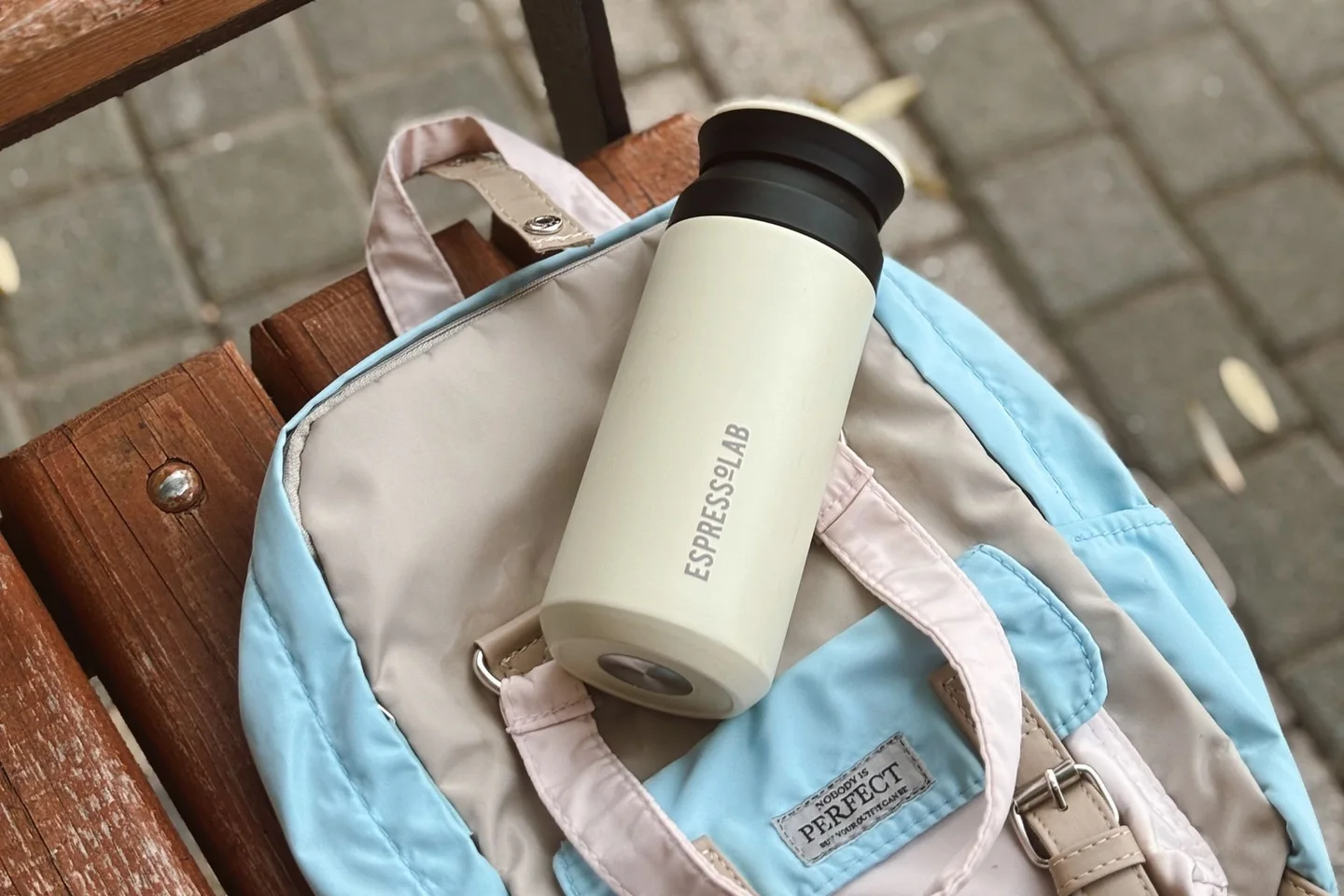
Try a no-table unpacking test
At home, try finding a ticket, bottle and light layer while holding the bag or resting it on a chair. This resembles a bus stop or busy entrance more closely than spreading everything across a large table. If one item requires removing five others, change its position before departure.
Consider how the bag closes after use. A tightly packed roll or several loose straps may be awkward during repeated stops. The best arrangement is one you can restore without asking someone to hold half the contents.
If two people share supplies, distribute weight according to comfort and ability rather than making both bags identical. One can carry a picnic container while another keeps the tickets, but agree on the arrangement. Shared packing works when each person knows what they have and the group can still function during a brief separation.
Organise around use
Place frequently needed things where they can be reached without emptying the bag. Keep documents and electronics away from possible leaks. A separate small pouch can help, but several nested pouches may simply hide what you need.
Choose containers proportionate to the outing. A nearly empty oversized bottle or a large box for one small item can occupy more space than its contents justify. At the same time, do not remove protective packaging that an item needs just to make the bag smaller.
Try the packed bag on before departure. Walk around, sit down and take out the first item you expect to use. Adjust straps and remove things that have no clear purpose. Weight and fit matter more than whether the bag looks compact on a table.
Leave room for the return
Clothing that begins on your body may end up in the bag. A small purchase or used food container also needs space. Packing every compartment tightly at the start leaves no room for those ordinary changes.
Check venue restrictions on bag size or storage when relevant. A large backpack can be awkward in small shops or galleries even if it was comfortable on the journey.
After the excursion, note which items were used and which were carried out of habit. Keep necessary contingencies, but question repeated extras. A useful day bag supports movement and quick decisions; it should not require a full repacking operation every time the group stops for water or a ticket.