The best shoes for a day trip depend on the ground you will cross, not on the category assigned to the destination. A town visit may include steep stone lanes, while an outdoor garden may have smooth level paths.
Check the route from arrival to departure. Include parking areas, steps, wet surfaces and any optional walk that you realistically expect to take. Recent photographs and visitor information can help, but ask the venue when a specific surface matters to your choice.
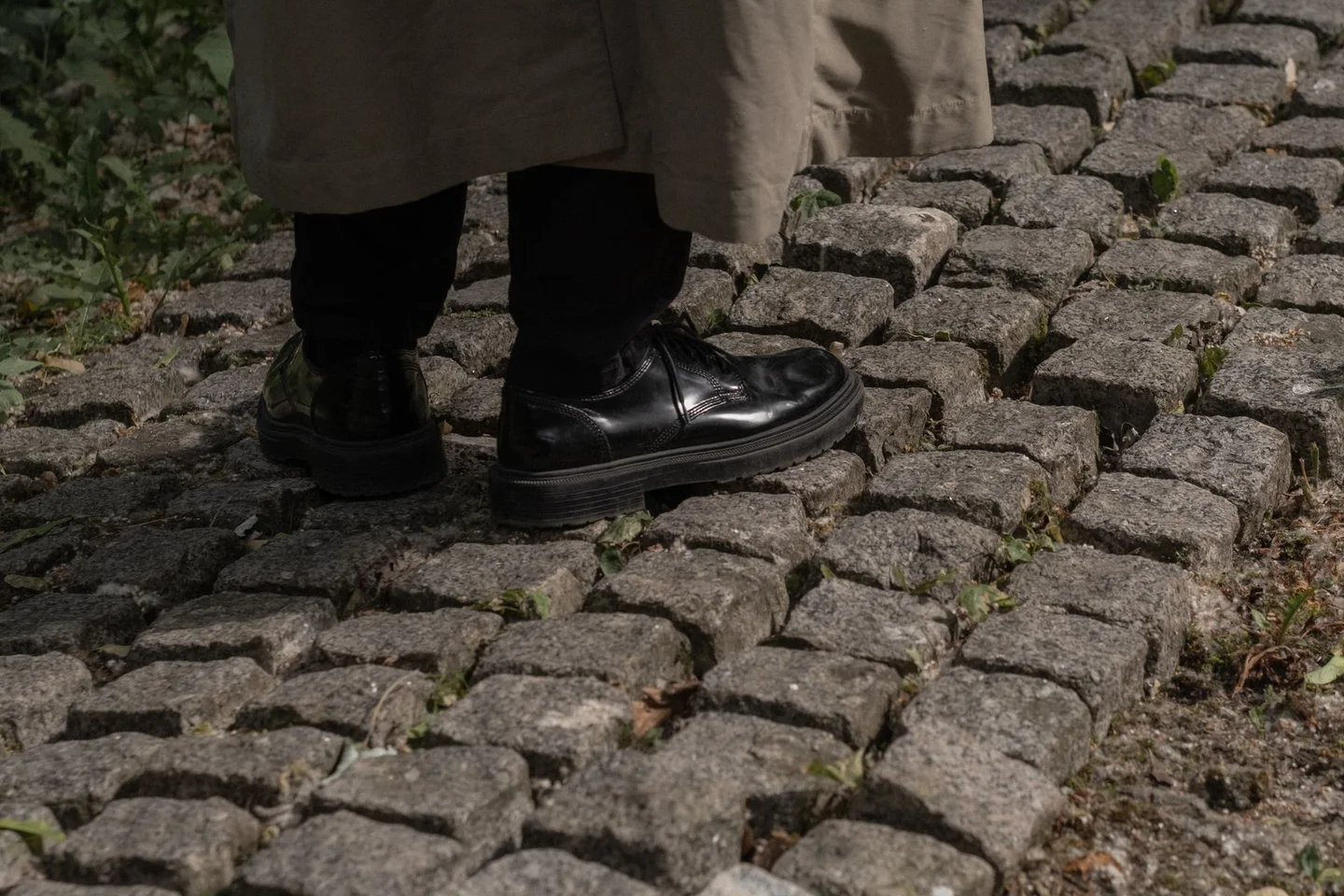
Use familiar shoes
A long outing is a poor first test for new footwear. Wear shoes you already know are comfortable for the expected activity and make sure they are in usable condition. Check fastenings and the condition of the sole before leaving.
Choose socks or other accompanying items that work with the shoes. A small mismatch that is barely noticeable on a short errand can become irritating during repeated walking. Carry a spare pair when the activity makes it sensible, rather than adding one automatically to every bag.
Do not choose only for the photograph you hope to take. If a particular outfit matters, consider whether the route can still be walked comfortably in it. Changing the activity is often easier than carrying several unnecessary pairs.
Consider the transitions
Beach visits, wet activities and indoor venues may create different footwear requirements. Check the operator’s instructions for any organised activity. General walking shoes are not automatically appropriate for every specialist use.
If changing shoes, plan where the used pair will go and how it will be carried. Wet or sandy footwear needs to be separated from clean clothing and documents.
On the day, adjust the route if the shoes or conditions prove unsuitable. Continuing simply to complete a planned distance can make the rest of the excursion unpleasant. Afterwards, clean and dry the footwear according to its care instructions. A realistic choice is one that supports the whole journey, including the walk back to transport when the initial enthusiasm has faded.