Tide pools invite close attention because they hold a small, changing view of the shore. Looking carefully does not require touching the organisms or moving them into a better position. Treat the pool as a place to observe from an authorised access route, not as a collection you can rearrange.
Ask locally whether the area is appropriate for visitors that day and how access is managed. Do not infer a suitable visiting window from a photograph or a general tide estimate alone. Waves, surfaces and local restrictions affect the outing. Stay within the access advice given for that particular shore.
Choose a position where you can pause without stepping into the pool or blocking others. Look first for movement and differences in shape. A small shadow, a repeated opening or a change in colour may become visible after a quiet moment. You do not need to name everything to appreciate what is happening.
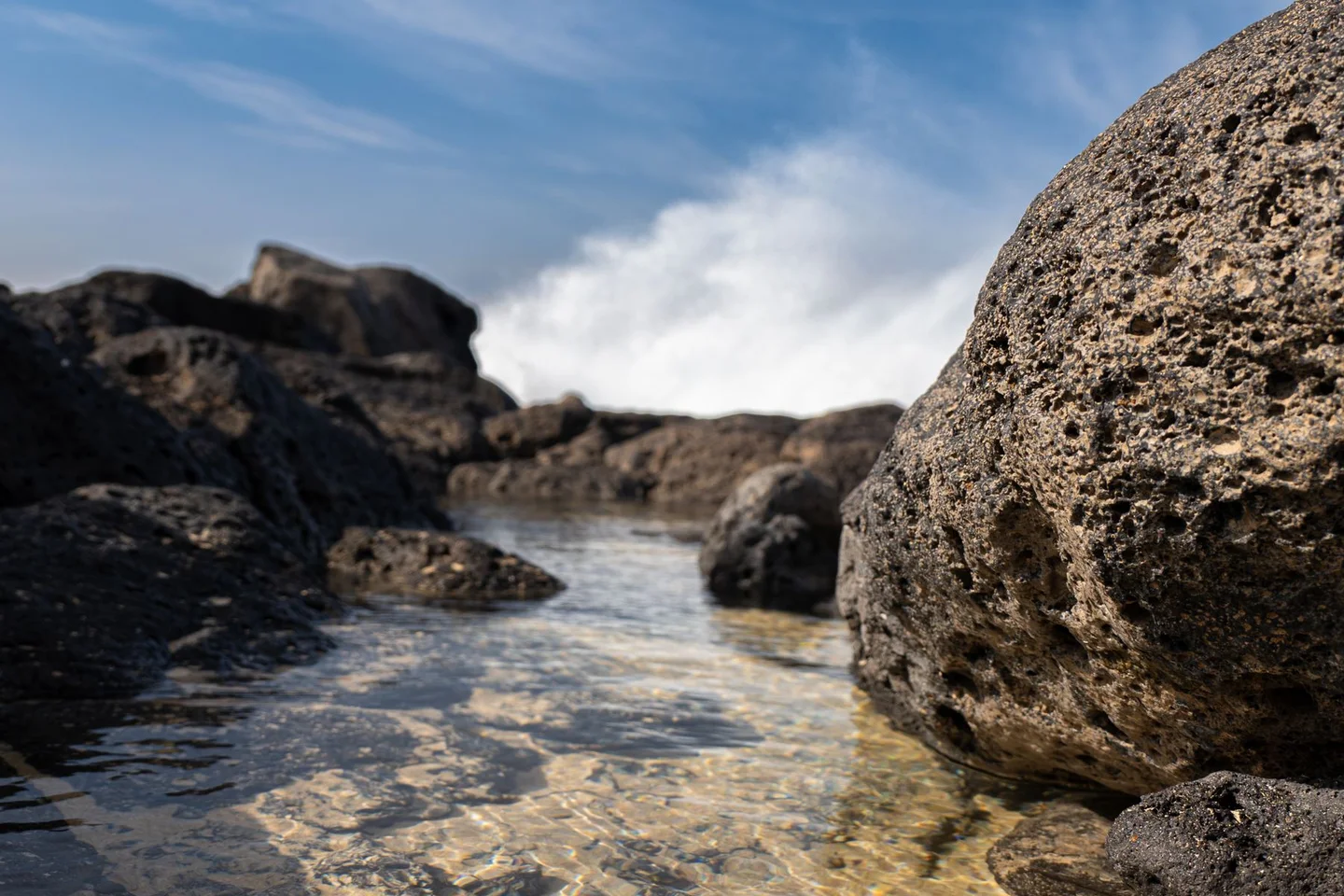
Make a record without collecting
Try describing one pool as a whole before focusing on individual organisms. Note the contrast between exposed rock and water, where shadows fall and which parts show movement. A photograph that includes the surrounding surface can help you remember the scale later without placing an object in the pool as a reference.
If you want an identification, show the image to a knowledgeable guide or consult a reliable resource afterward. Keep the answer provisional when the photograph does not show enough detail. A confident label is not necessary for the observation to have value. You can remember a particular pattern or behaviour without turning it into a species claim. This approach also removes the temptation to handle an organism simply to examine a hidden feature.
Leave the arrangement intact
Avoid lifting rocks, collecting shells or handling animals for a photograph. Something that looks empty may still have a role in the shore environment. A close image taken from your position is enough; if the view is partly obscured, accept that limitation.
Watch the surroundings as well as the pool. Do not become so absorbed in the small scene that you lose awareness of the water and the route back. Follow local advice about where to remain and when to leave. A guide-led visit can be useful when it explains both the habitat and the permitted way to view it.
Keep the outing short enough that attention remains comfortable. Afterward, compare what you noticed with an identification resource or ask the guide about a particular feature. The memory may be a few careful observations rather than a bag of collected objects. That leaves the same small scene available for the next visitor and avoids turning curiosity into disturbance.