A sunset stop is easy to add to a coastal itinerary and easy to underestimate. The light fades at the same time that you need to gather belongings, find the path and reach transport. Plan those movements before choosing how long to stay at the viewpoint.
Use a recognised public viewing place with an exit you understand. Ask about closing arrangements if it is within a managed site. A gate may close before you expect, and a path that feels obvious in daylight may be less convenient afterward. Do not assume that a popular photograph indicates unrestricted evening access.
Identify the actual return transport. If a driver will wait, agree on the point and duration. If you depend on scheduled service, check current information and the time needed to reach the stop. A sunset that ends after the last practical connection does not fit that version of the day.
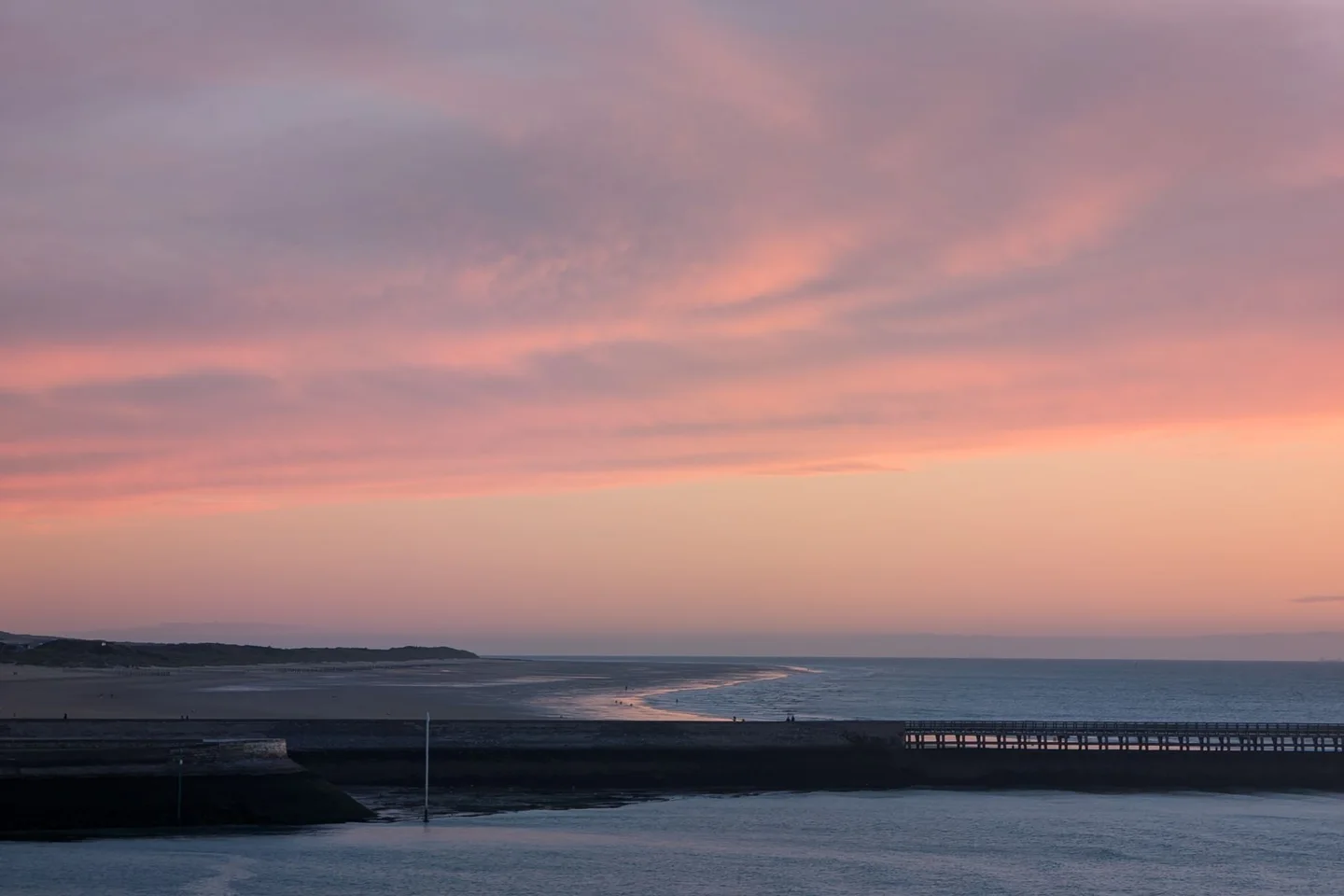
Let the last photograph be optional
Choose a departure point in the evening plan and keep it independent of the perfect image. Waiting for one more change in colour can gradually consume the return margin. Decide which view is enough before the group becomes scattered along the waterfront.
Keep belongings together and avoid unpacking more equipment than you can put away comfortably. Use established viewpoints rather than moving onto an unfamiliar edge as the light changes. If one person is concentrating on photographs, make sure the others know where and when to meet.
A meal or a short town walk before sunset can place you close to the viewing area without adding another hurried transfer. Afterward, head toward the known exit rather than improvising a longer shoreline walk. The memorable part of the evening can be the changing light itself. A calm return protects that memory better than staying until the last possible moment and then searching for a route or ride in the dark.