Choose the landscape you want to spend time in
A lagoon and an open coast can both appear in the same destination's brochures, yet they suggest different days. One may centre on channels, vegetation and close observation; the other on a broad horizon, a promenade or a beach base. Decide which setting interests you before comparing activities.
Do not treat a lagoon as automatically calm or an open beach as automatically suitable for swimming. Current conditions, permitted routes and the operator's instructions matter in both places. Ask what visitors can actually do on the date and in the format you are considering.
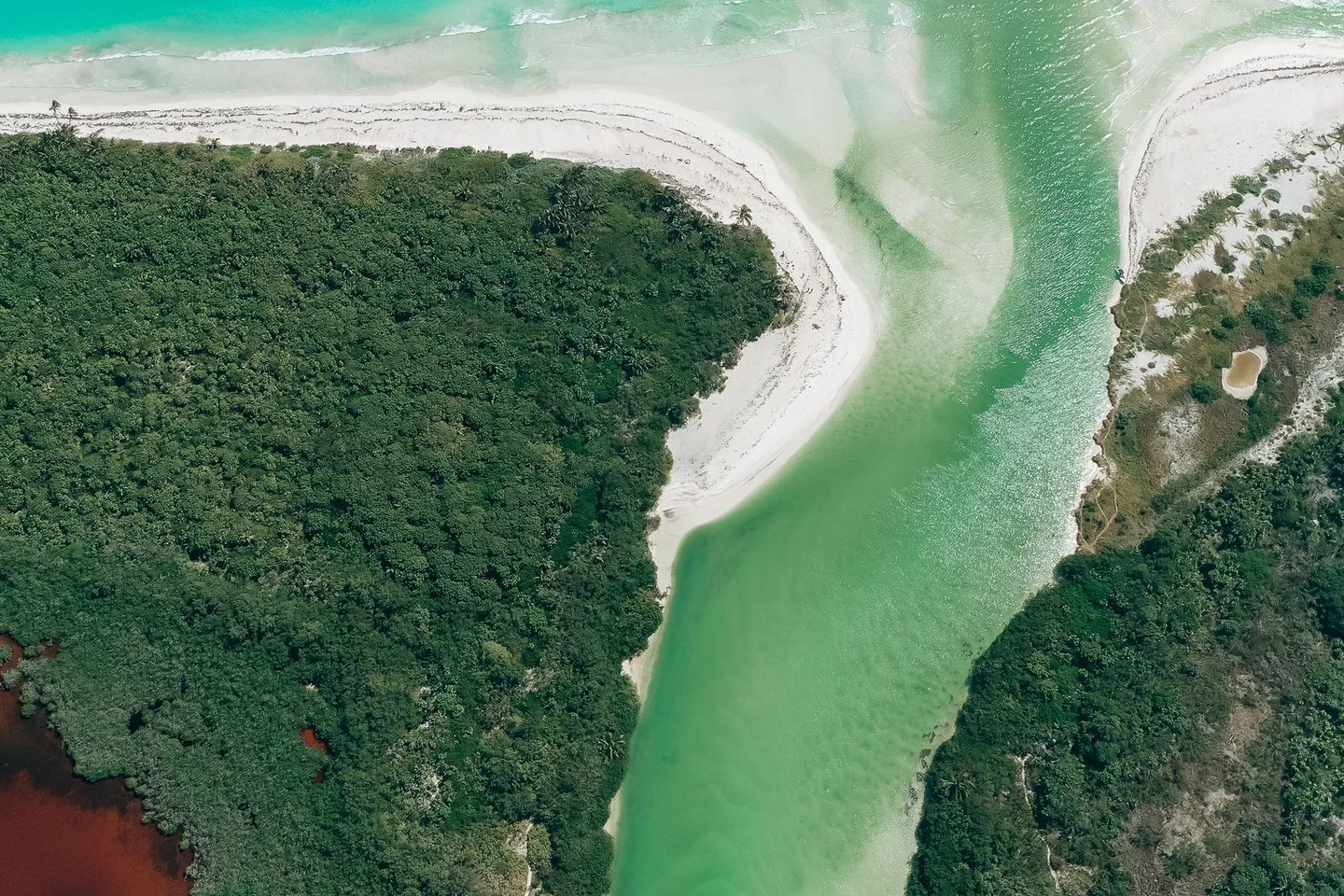
For a lagoon outing, clarify whether access is by boardwalk, guided boat or another activity. The vegetation may be the main attraction even if there is little open view. For the coast, check how you reach the shore and what facilities support a longer stay. A photograph of water alone explains neither arrangement.
Three questions that separate the options
First, ask how much control you want over the pace. A guided lagoon circuit may have a clear beginning and end, with the group moving together. A public seaside promenade can allow a pause whenever you choose. Someone who dislikes fixed group timing may enjoy the second more even if the lagoon photographs are initially more appealing.
Second, consider what you hope to notice. Close vegetation, channels and bird observation point toward one kind of visit; a broad horizon, a town waterfront and open coastal scenery point toward another. Neither setting needs to promise wildlife or water entry to be worth choosing. Describe the interest rather than asking which place is universally better.
Third, look at the practical commitment. Compare the complete transfer, access and return, not just the activity duration. If one option is near your base and the other requires a long connection, the closer outing may leave more room for a meal and an unhurried pause. On a short trip, that difference can matter more than the number of attractions listed.
Write one sentence about the day you want before reading more offers. For instance, you might want a guided view of vegetation with a fixed return, or a flexible waterfront walk followed by lunch. That sentence makes comparisons easier because it gives the photographs and prices a context.
Compare the time ashore and in transit
A lagoon tour may keep the group together for a fixed duration. A beach visit may allow more independent movement but require separate planning for shade, meals and transport. Think about whether your companions prefer a guided sequence or the freedom to pause and change direction.
Ask what happens if the planned water activity cannot operate. A visitor trail or nearby town may offer an alternative, but only if it is actually accessible and suits the day. Do not build a backup from assumptions about facilities shown in unrelated photographs.
You do not need to include both settings in one short excursion. Moving between them can reduce each to a brief stop. Choose one as the main place and allow enough time to understand its character. If you have a longer stay in the region, the contrast can become the reason for a second outing. A deliberate choice is more useful than selecting whichever landscape appears beside the lowest advertised price.