A harbor can be interesting without a boat ticket. Boats returning, ropes on a quay and the changing relationship between the waterfront and the town create a setting worth walking through. The first task is to distinguish public visitor space from working areas.
Use established promenades, viewpoints and signed routes. A gap between boats or an open gate does not necessarily invite entry. Keep clear of loading activity, equipment and vehicle access. Watch from a place where you can pause without interrupting someone whose day is not a sightseeing trip.
Find a route with a clear end rather than following the water indefinitely. A public square, a café area or a recognised overlook can provide a turnaround. Check whether the path continues before committing to a narrow stretch. Harbors are often interrupted by facilities that make the shortest line on a map unavailable to walkers.
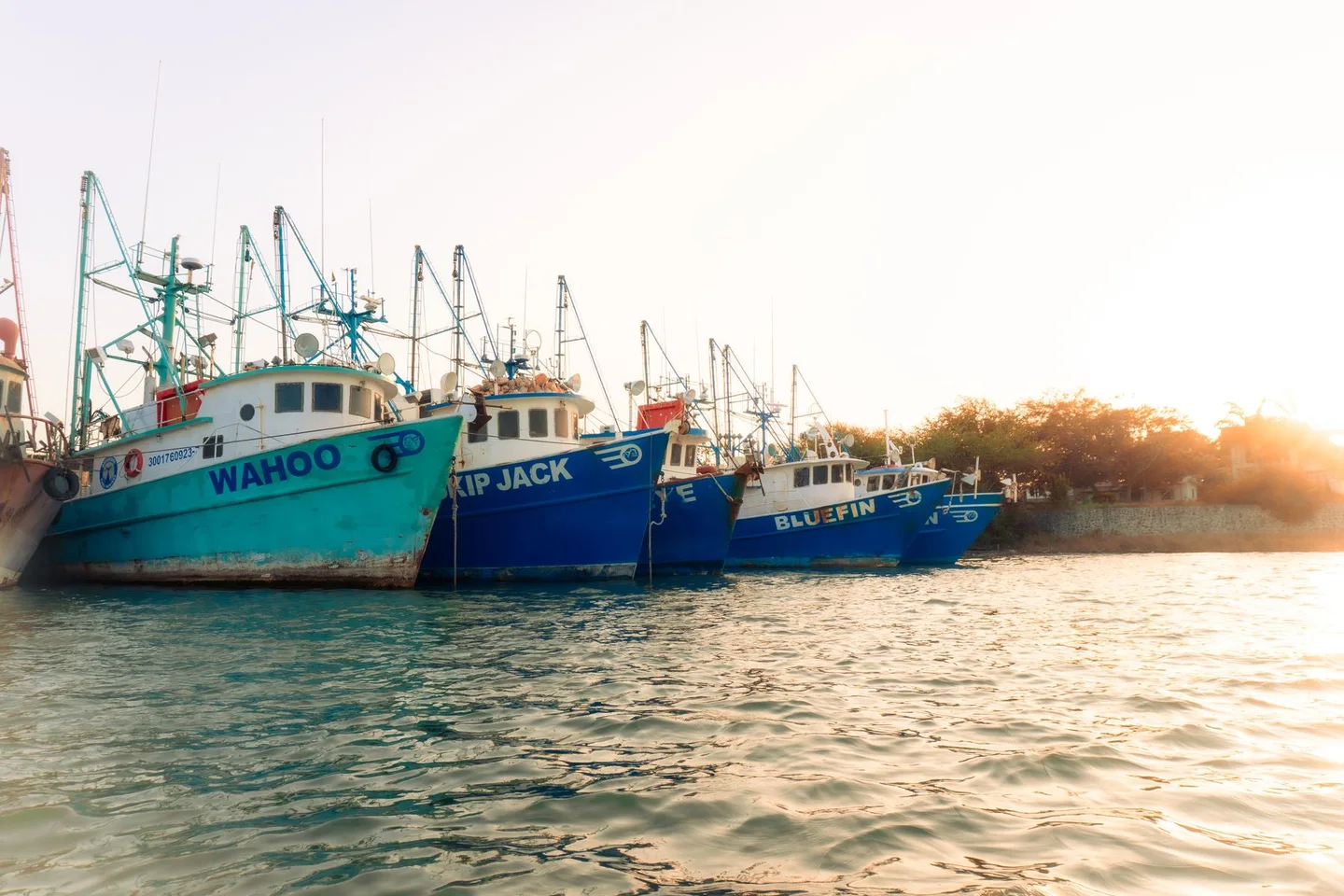
Notice the town behind the waterfront
Look at how streets meet the port, where people wait and how businesses use the water-facing space. A short inland turn can add context to the boats and give you a quieter place for a break. You do not need access to working docks to understand that the harbor supports more than tourism.
Ask before photographing people closely or focusing on their work. A wide view taken from public space is different from standing beside someone handling equipment and expecting them to pose. Keep the camera secondary when the path becomes busy.
If you decide to eat nearby, choose the stop for its actual menu and setting rather than assuming every waterfront restaurant serves the same kind of meal. Leave enough time to sit and watch from an appropriate place. The harbor walk works particularly well as a flexible outing: you can shorten it, add a town street or spend longer at one public viewpoint without depending on a boat departure or a fixed sequence of activities.