Ask how the encounter is conducted
An outing advertised around marine wildlife should explain more than which animals might appear. Ask how the operator approaches sightings, how passengers are positioned and what happens when animals move away. The method tells you more about the experience than a photograph taken at very close range.
Choose a provider that follows the rules applicable to the location and activity. Requirements can differ between places and species, so avoid assuming that one generic description covers every excursion. Ask about authorisation where required and how current restrictions affect the route.
Be cautious about promises of guaranteed physical contact or a particular close photograph. Wildlife does not follow an appointment. A worthwhile outing can include distant observation, an explanation of the habitat or no sighting of the hoped-for animal. Decide whether you would still value the trip under those circumstances before booking.
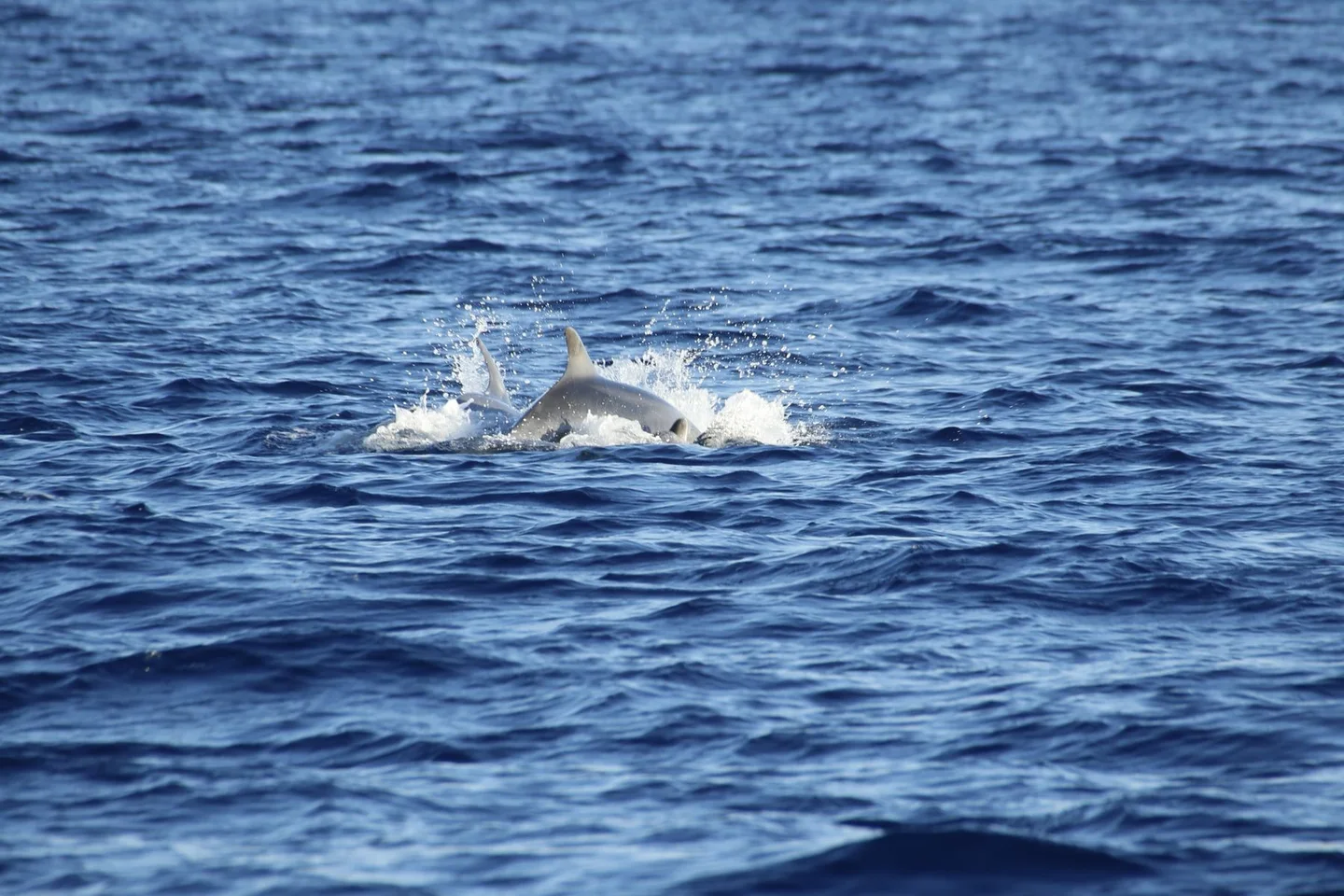
Let observation set the pace
Follow the crew's instructions and remain where directed. Moving around the boat to compete for the best angle can interfere with the group and the operation. A wider photograph may capture the setting more honestly than a tight image that suggests a different distance.
Do not feed animals, throw objects or ask the operator to pursue one that is leaving. The activity should allow the animal space rather than turn its movement into a chase. If you have questions about what you are seeing, ask during a suitable pause instead of demanding an immediate repositioning of the boat.
Check the full excursion arrangement as well: time aboard, shade, return location and what is provided. An interest in wildlife does not remove the practical needs of the people travelling. Choose a duration and format that your group can comfortably manage. The best memory may be a brief undisturbed encounter within a thoughtful day on the coast, rather than a prolonged effort to force the image you expected from the advertisement.