Find the return stop before walking to the sand
A bus can make a beach outing straightforward, but the return deserves the same attention as getting there. Confirm the route, current service information and the exact place where you board toward your starting point. It may not be directly opposite the stop used on arrival.
Ask the operator or a reliable local information point how the service works. A published time may refer to departure from a terminal rather than arrival at your beach stop. Find out whether tickets are bought in advance, aboard or at a counter, and what payment methods are accepted. Carry the arrangement you need rather than assuming every stop has ticket facilities.
On arrival, identify the return location before becoming absorbed in the beach day. Note a fixed landmark and the walking route back. A roadside stop can look different when approached from the sand, especially after a long afternoon.
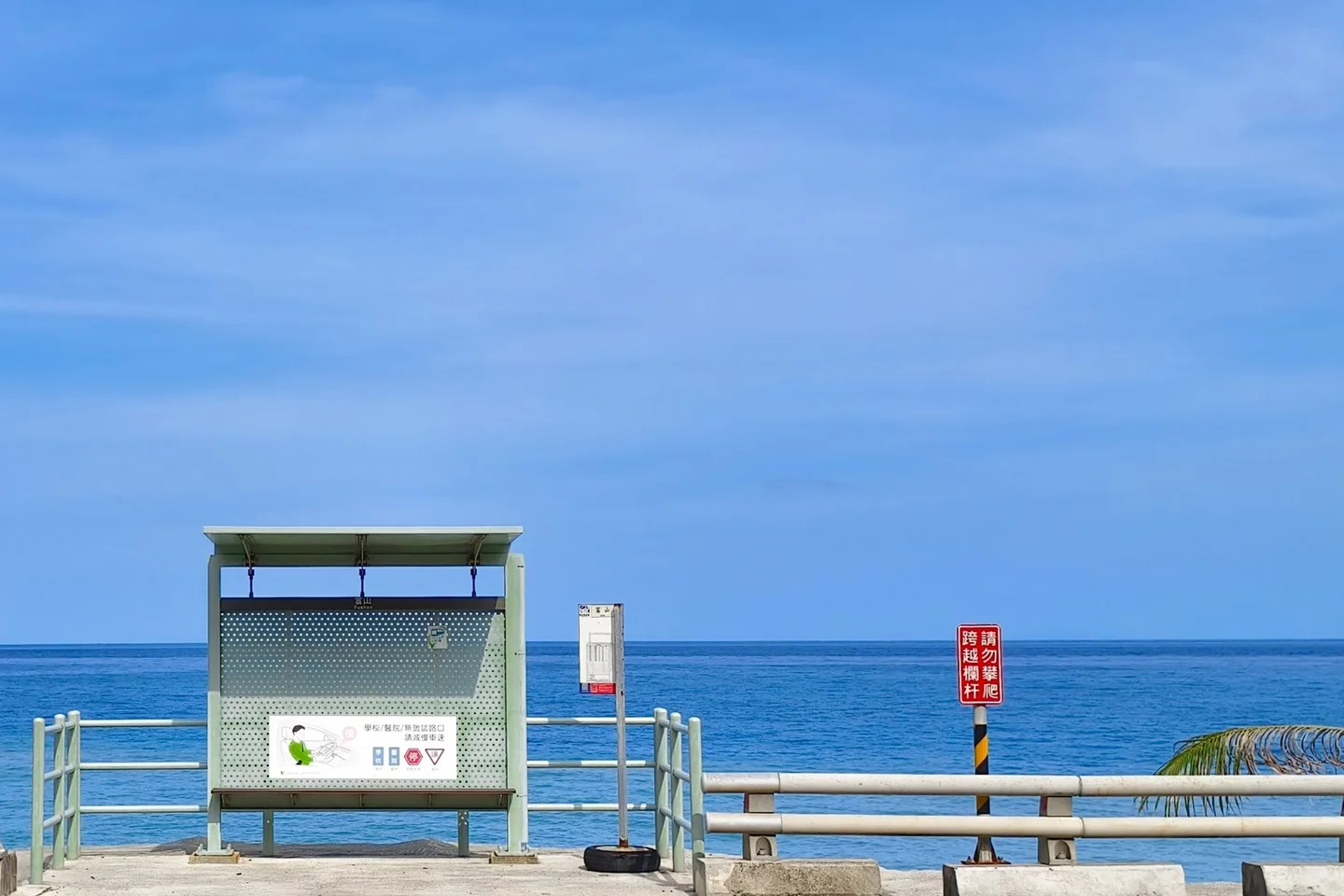
A simple plan for the last connection
Choose a target return service earlier than the last one you believe is available. The later option is a margin only if it is a real, confirmed service; it should not be an imaginary rescue based on a map listing. Ask what normally happens when a bus is full or when service changes, and use that information to decide whether the destination is suitable for your day.
The return stop may have little shade or seating. Plan the final meal or drink close enough that you can reach it without a long wait at the roadside, while still arriving with the recommended margin. Avoid choosing a restaurant so far from the stop that the meal becomes another transport problem.
If several people travel together, agree who keeps the route details and ensure someone else has a copy. Do not let the only useful information remain on a phone with little battery. A short written note with the operator, destination direction and stop landmark can be enough.
For a beach that requires a connection between services, check the whole chain. A reliable first bus does not guarantee the second will still be running when you return. If the combined timetable leaves almost no beach time, choose a closer destination. The transport should support the outing rather than occupy its best hours.
Give the final part of the day space
Allow time to gather belongings, change if necessary and walk to the stop. The distance may feel longer carrying wet items or after spending several hours outdoors. Avoid planning to reach the roadside at the precise expected passing time.
Do not rely on the last possible service as your only way home unless you have confirmed how dependable the arrangement is and have a realistic alternative. If schedules are unclear, a beach with a more established transport connection may be the better choice. A cheaper outward journey loses its appeal if the return requires an unplanned expensive ride.
Keep the transport details available without mobile data. If the route changes or you miss the intended service, use the operator's current advice rather than guessing at a different roadside boarding point. A day planned around the bus can still feel relaxed: choose a base within an easy walk, finish the meal early enough and let the return margin be a quiet final pause instead of a sprint.